
Last week, our Executive Director and Administrative Assistant travelled to St. John's to attend the Provincial Advisory Network on the Status of Women (PANSOW) Annual General Meeting.
Representatives from all eight active Status of Women Councils across Newfoundland and Labrador came together to discuss shared priorities, emerging community needs, advocacy efforts, and the important work being done to support women and gender-diverse people throughout the province. These annual meetings provide an opportunity to collaborate, share knowledge, and strengthen our collective voice on issues that impact communities across Newfoundland and Labrador.
We are also excited to share that our Executive Director, Val, was elected as the new Co-Chair of PANSOW alongside The Executive Director from the Corner Brook Status of Women Council. Congratulations, Val! We know she will bring a strong voice for Labrador West and continue advocating for equitable supports and services throughout the province.
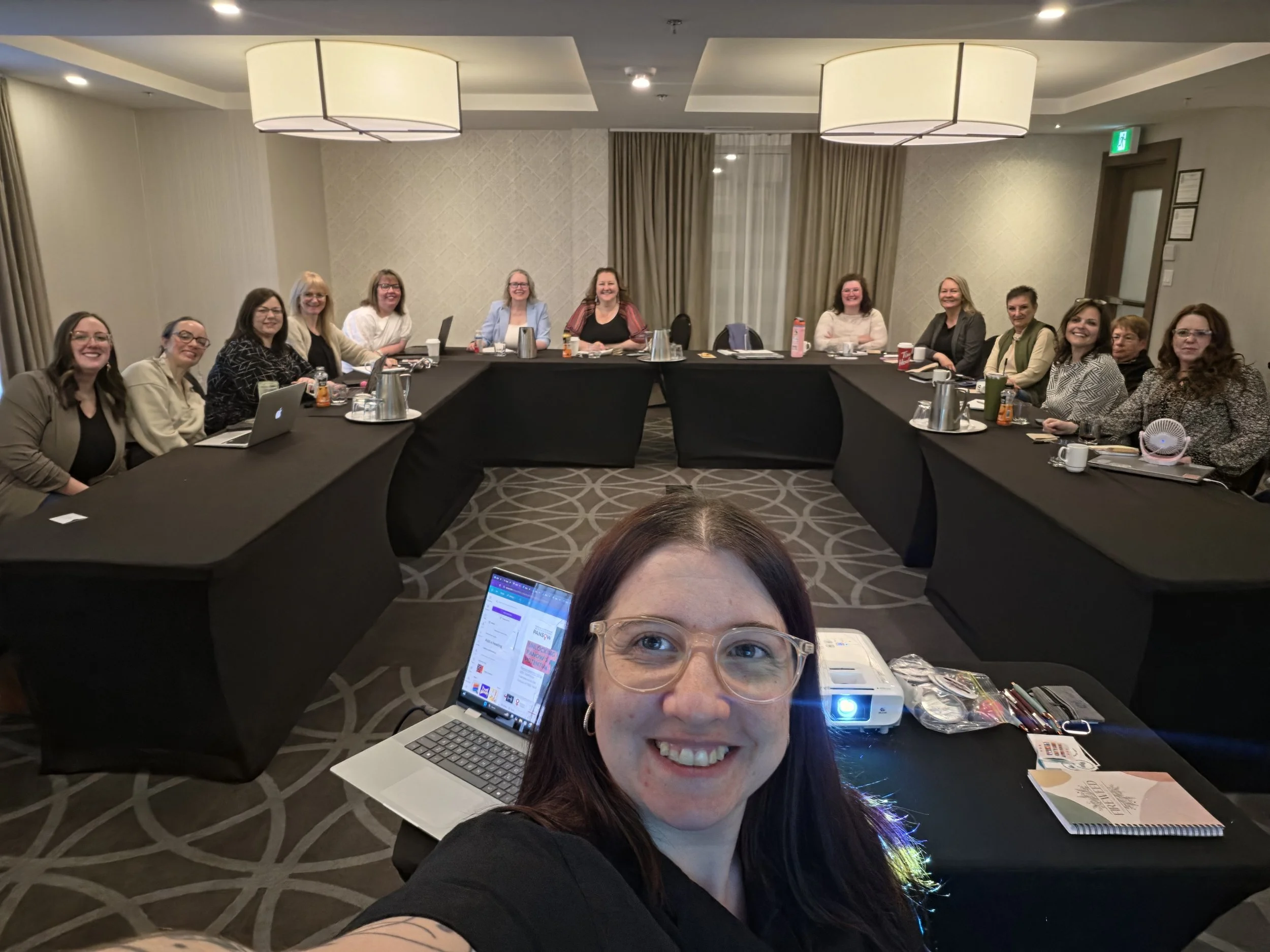
PHOTO FROM PANSOW AGM
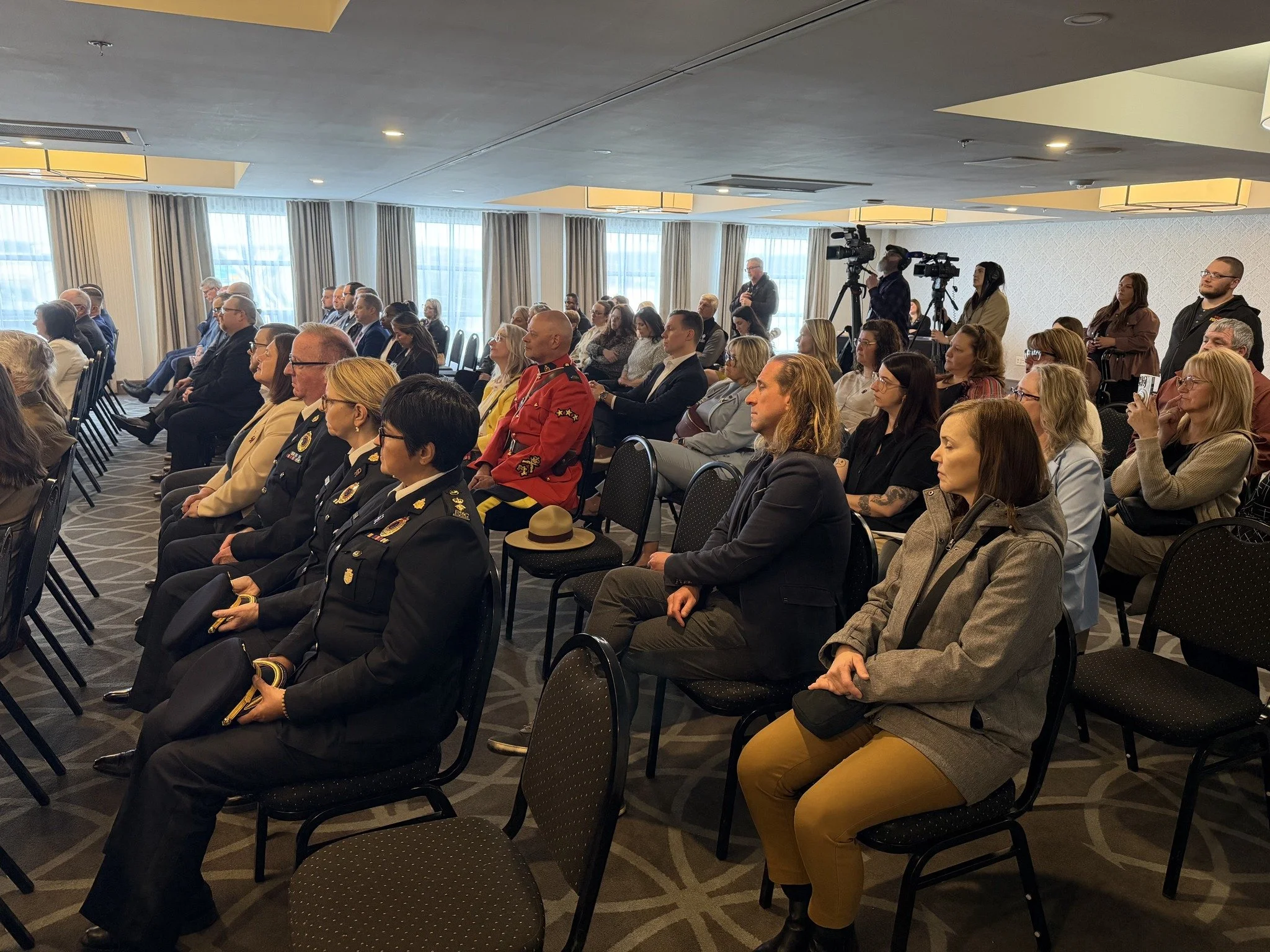
During the visit, PANSOW members were scheduled to meet with Minister Lela Evans to discuss funding, gender-based violence prevention and response, and the growing needs facing community organizations. Our meeting coincided with a significant provincial announcement, and we were invited to participate in a press conference alongside the Minister and Premier.
At the announcement, the Province of Newfoundland and Labrador formally declared gender-based violence (GBV) an epidemic and announced the creation of a provincial Task Force to End Gender-Based Violence. This declaration marks an important milestone in acknowledging the scale and severity of violence occurring across our province.
Gender-based violence refers to violence committed against a person because of their gender, gender identity, or gender expression. It can take many forms, including intimate partner violence, sexual violence, coercive control, stalking, harassment, human trafficking, and other forms of abuse. While gender-based violence can affect anyone, women, girls, Indigenous peoples, members of the 2SLGBTQQIA+ community, and other marginalized populations are disproportionately impacted.
The effects of gender-based violence are astronomical. Survivors often face long-term impacts on their mental health, housing stability, financial security, employment, relationships, and overall well-being. Families, workplaces, schools, and entire communities are also affected by the ripple effects of violence. For many organizations, including Status of Women Councils, supporting those impacted by GBV has become an increasingly urgent part of our work.
The decision to name gender-based violence an epidemic is significant. Declaring GBV an epidemic acknowledges that Gender Based violence is not an isolated or individual issue—it is a systemic problem affecting communities across the province. It recognizes the need for government leadership, dedicated resources, prevention efforts, survivor supports, and long-term solutions.
Importantly, a declaration alone is not enough. Community organizations and advocates have long called for increased investment in prevention, intervention, education, housing, counselling services, and supports for survivors. Naming the issue is an important first step, but meaningful change will depend on sustained action and accountability.
As part of the announcement, the province established a 12-member Task Force to End Gender-Based Violence. The task force includes representatives from government departments, Indigenous leadership, frontline service providers, and individuals with lived experience. Stacey Hoffe, Executive Director of the Mokami Status of Women Council and former Chair of PANSOW will sit on the provincial taskforce ensuring the voice of Women’s Councils across the province are heard. See PANSOW’s Statement using the following link https://www.mokami.org/news/gbv-task-force-announcement
The task force has been mandated to guide research, engagement, and consultation efforts throughout the province and ultimately provide recommendations to government aimed at preventing and ending gender-based violence. Central to its work will be ensuring that the voices of survivors and those directly impacted by violence are meaningfully included in decision-making.
For organizations like ours, this announcement represents both recognition and responsibility. Recognition of the realities that communities have been speaking about for years, and responsibility to ensure that this momentum leads to tangible outcomes for survivors, families, and communities. The success of this initiative will depend on continued collaboration between government, community organizations, Indigenous leaders, survivors, and advocates.
We look forward to seeing how this work develops and will continue advocating for the needs of our community every step of the way. Gender-based violence is preventable, and everyone deserves to live free from violence, fear, and harm. We remain committed to supporting that vision and ensuring the voices of Labrador West are part of the conversation.
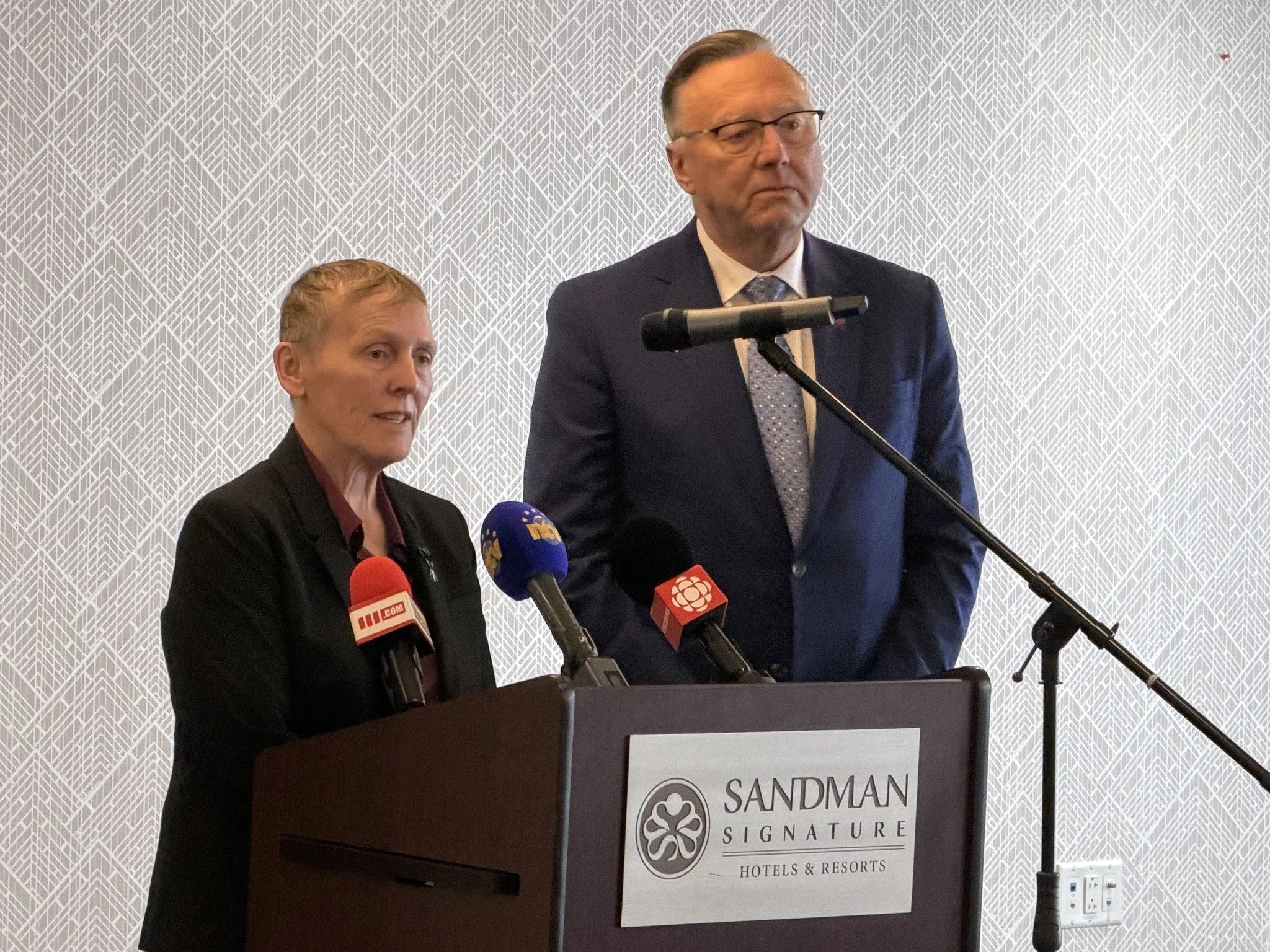
Minister Lela Evans and Premier Wakeham
