
Taking a Look Back
Take Back the Night, like many movements for social change, began by highlighting an injustice. In the 1970s, women began drawing attention to the growing prevalence of violence against women and the lack of meaningful responses to it. College campuses offered little to no safety, support, or resources for women experiencing violence, while news stories of women being attacked or killed in public spaces, particularly at night, continued to emerge.
What these women did ,and what women have so often done throughout history, was take matters into their own hands. They organized. They spoke out. And they demanded better responses, meaningful resources, and the right to feel safe in their own communities.
The movement gained momentum as more and more women on college campuses began organizing marches and rallies to raise awareness about violence against women and challenge the idea that women should simply accept fear as a part of everyday life.
The first Canadian Take Back the Night March was held in 1980. This took place just nine years before the tragic École Polytechnique massacre in Montreal, where 14 women were murdered simply because they were women - highlighting the need for continued change in community, policy, social attitude, and law.
Take Back the Night has continued for decades since then, because the issues that gave rise to the movement have not disappeared.
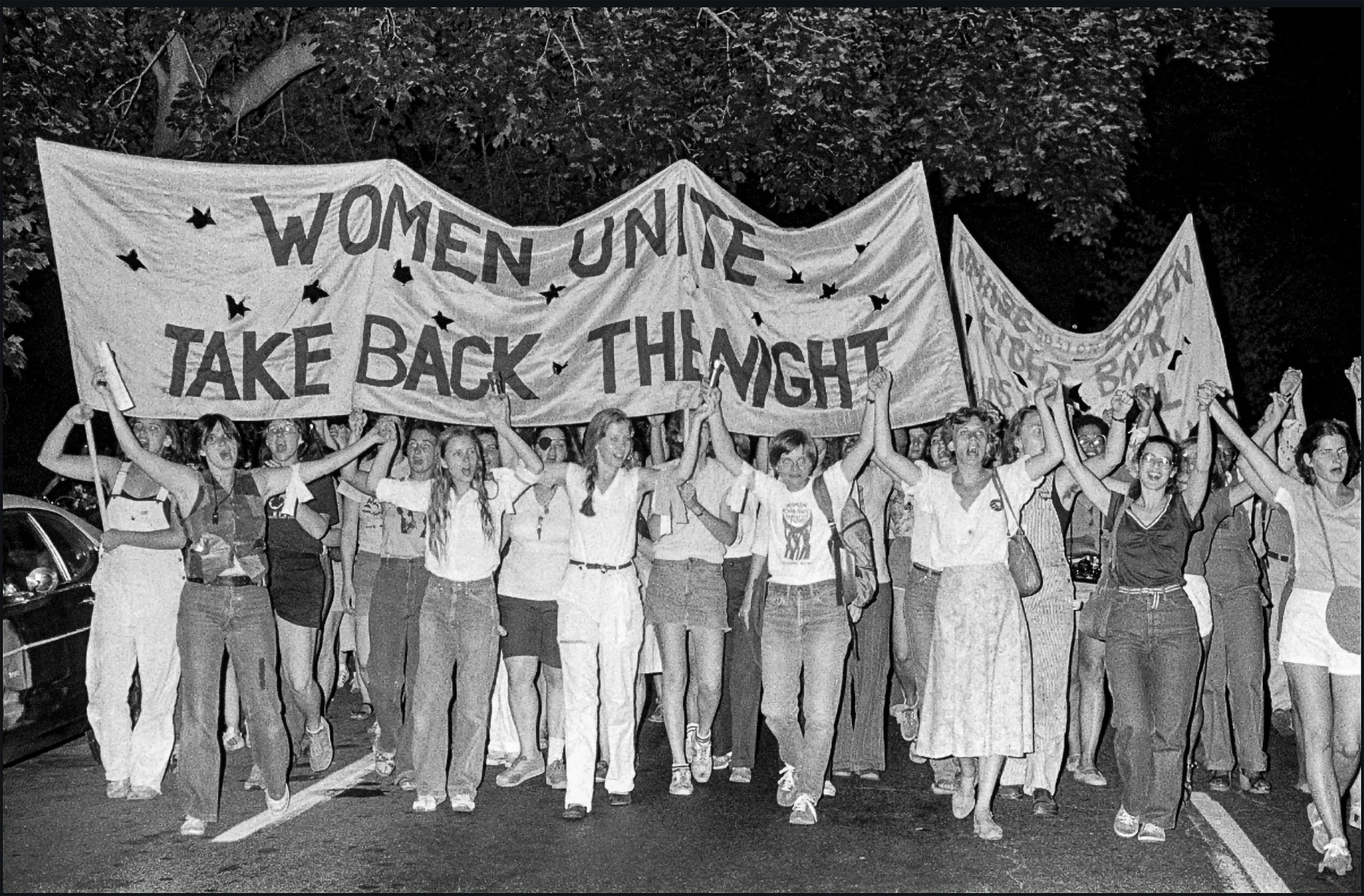
Women marching in Boston, MA. 1979.
What does “Take Back The Night” Actually Mean?
That’s a loaded question, but one that is easy to answer when we look at the lived reality of so many women and gender-diverse people around the world.
From our earliest memories as girls, we are taught to modify our behaviour in response to the potential danger posed by others. We’re told to dress modestly. Not to walk alone. To carry our keys between our fingers. To watch our drinks. To share our location. To make sure someone knows when we’ve arrived home.
We learn, often from a very young age, that our safety is something we are responsible for managing.
But this places the burden in the wrong place.
Instead of asking how we can prevent violence, we so often ask how those at risk can avoid experiencing it. We teach women and gender-diverse people how to navigate around the harmful thoughts and actions of others, rather than addressing the behaviours, attitudes, and systems that allow violence to happen in the first place.
Take Back the Night challenges that narrative.
It is a demand for something bigger than simply feeling safe after dark. It is a demand for the freedom to exist - in our streets, our workplaces, our schools, our homes, and our communities - without having to constantly calculate the risk of violence.
Taking back the night means taking the responsibility for preventing violence off the shoulders of those who experience it and placing it where it belongs: on all of us.
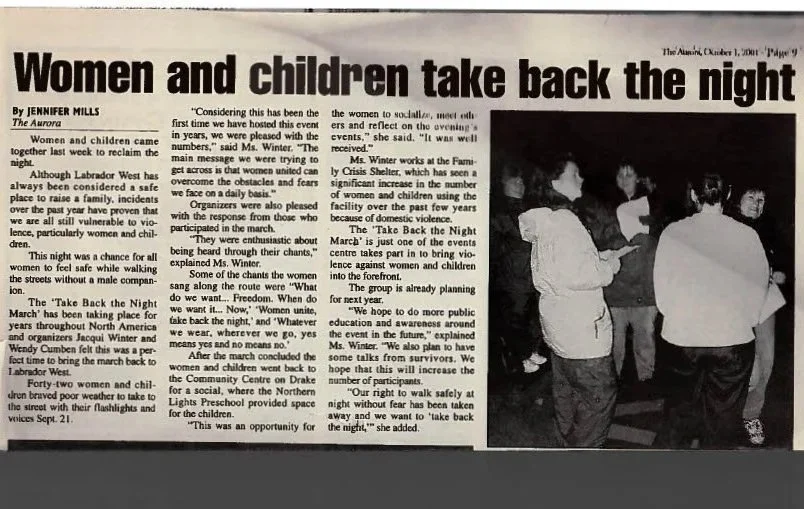
Take Back the Night at the Labrador West Status of Women Council, 2001
Safety Is More Than Physical Safety
At the Labrador West Status of Women Council, we understand that safety is about so much more than physical safety. It can take many different forms, and it is deeply connected to the conditions in which people live, work, and build their lives.
Safety can look like being believed when you disclose violence. It can mean having access to the supports you need, being able to leave an unsafe relationship, having safe and stable housing, or knowing that you have somewhere to turn when you need help.
It can mean feeling respected and valued at work, at school, and in social spaces. It can mean having enough food to feed yourself and your family. It can mean financial stability, access to healthcare and other essential services, connection to culture and community, and the ability to live with dignity.
Safety is holistic.
When someone is struggling to find housing, experiencing financial insecurity, unable to access food or healthcare, isolated from their community, or facing discrimination, their sense of safety is impacted. These things are interconnected, and they can make it significantly harder for someone to feel secure, make choices, or leave a situation that is causing harm.
This is why creating safer communities requires more than simply addressing physical violence. It means looking at the bigger picture and working toward communities where everyone has access to the resources, relationships, and opportunities they need to feel safe, supported, and empowered.
Why It Matters in Labrador West
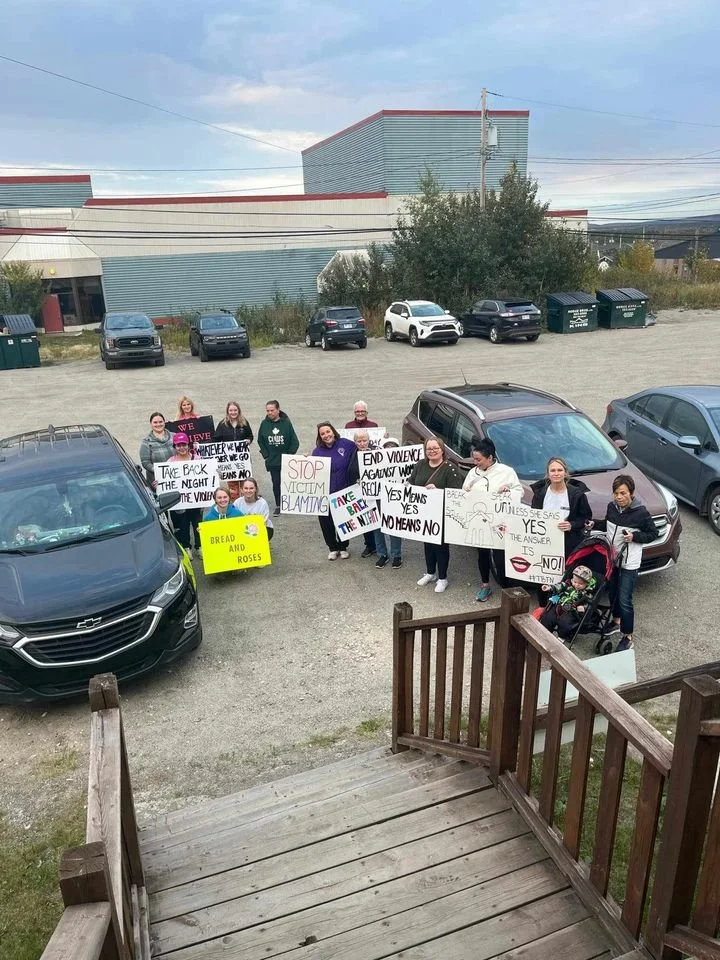
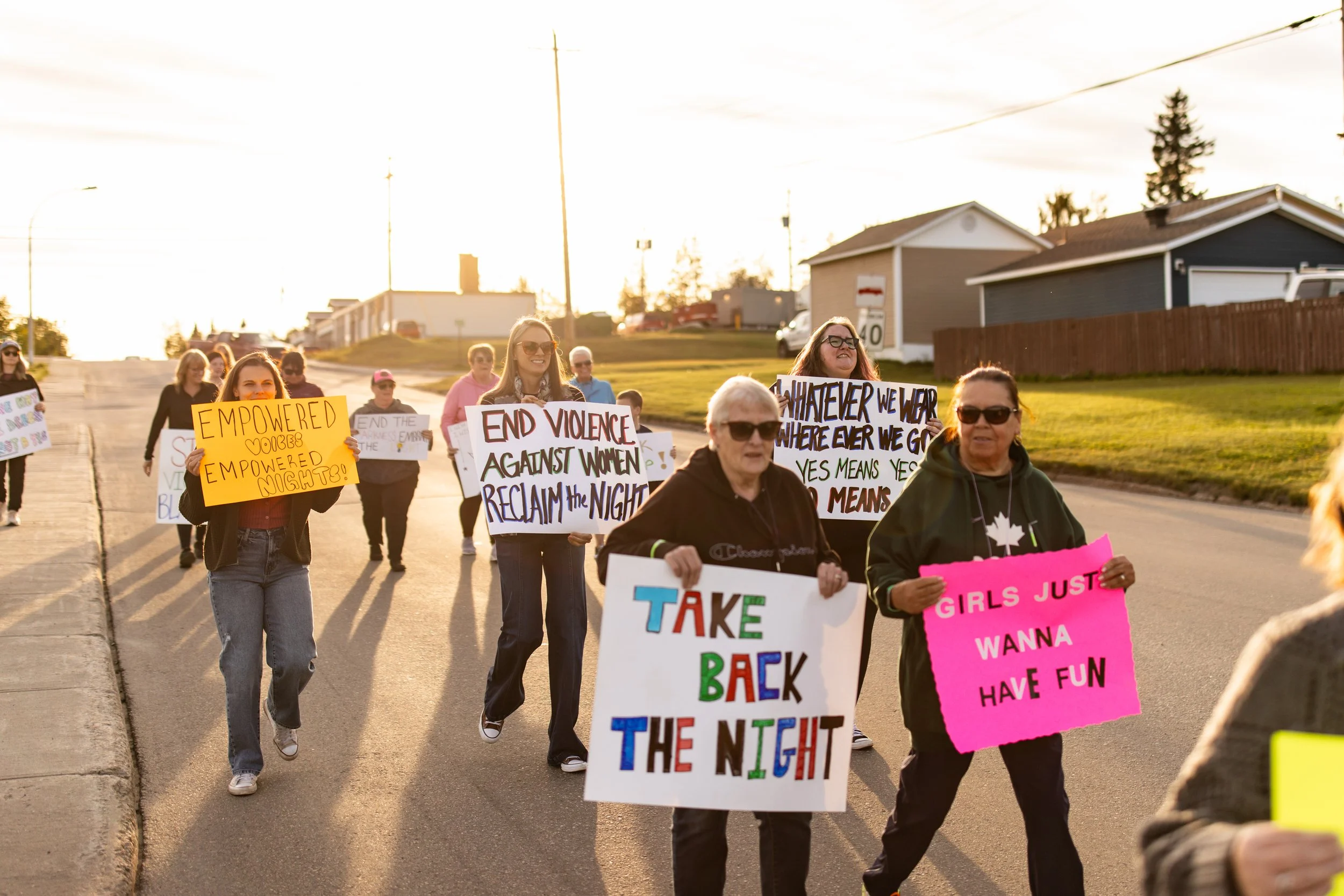
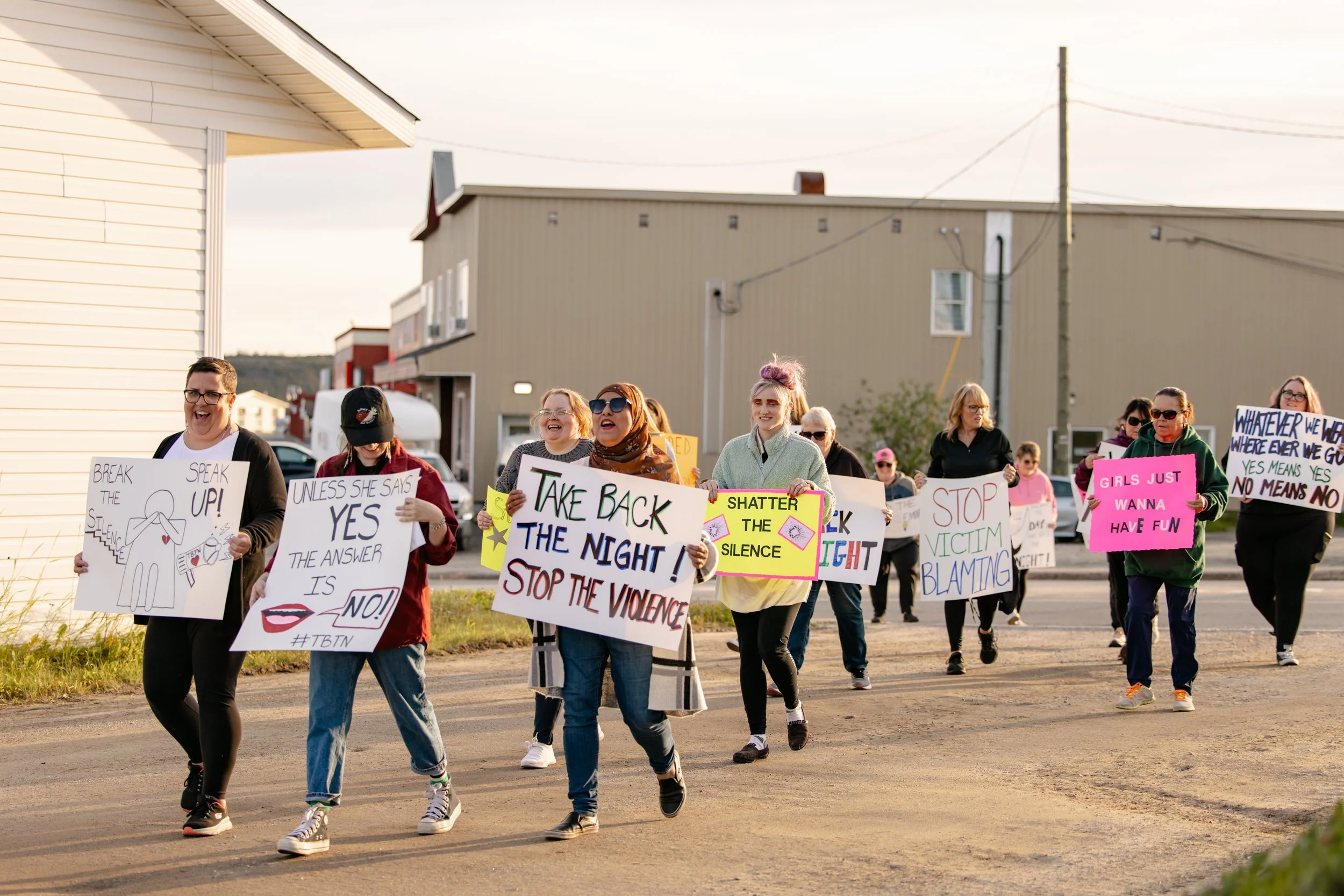
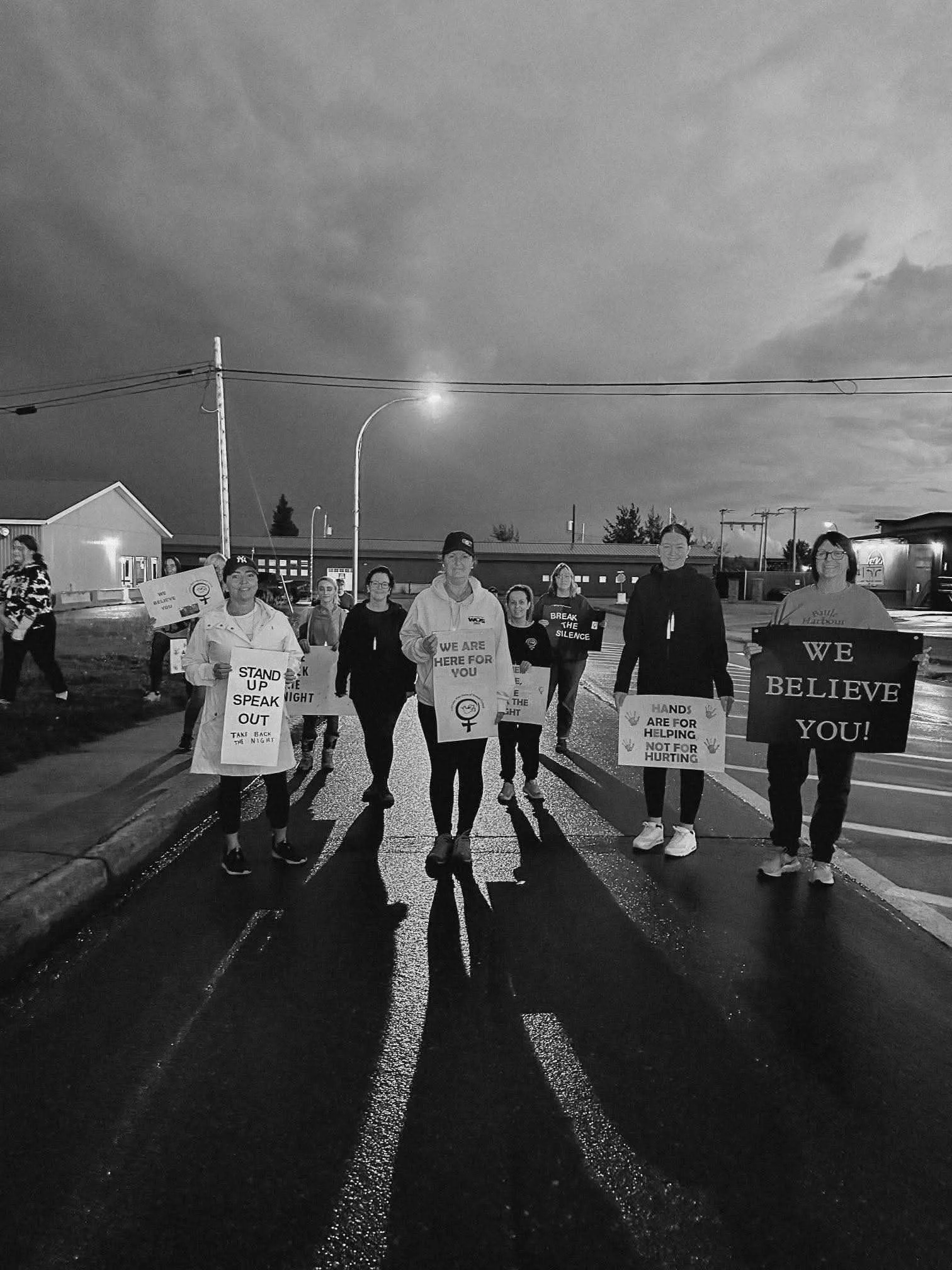
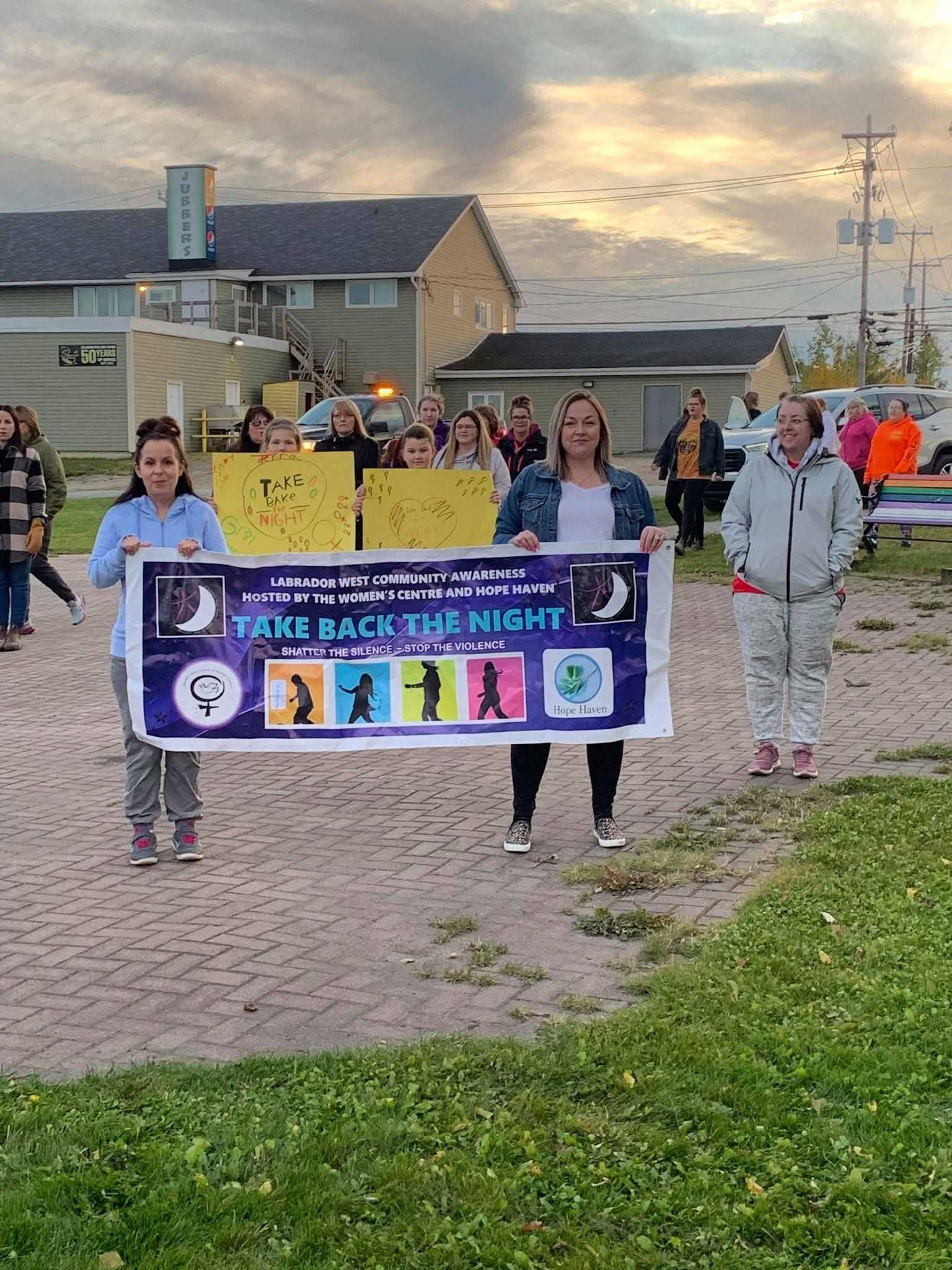
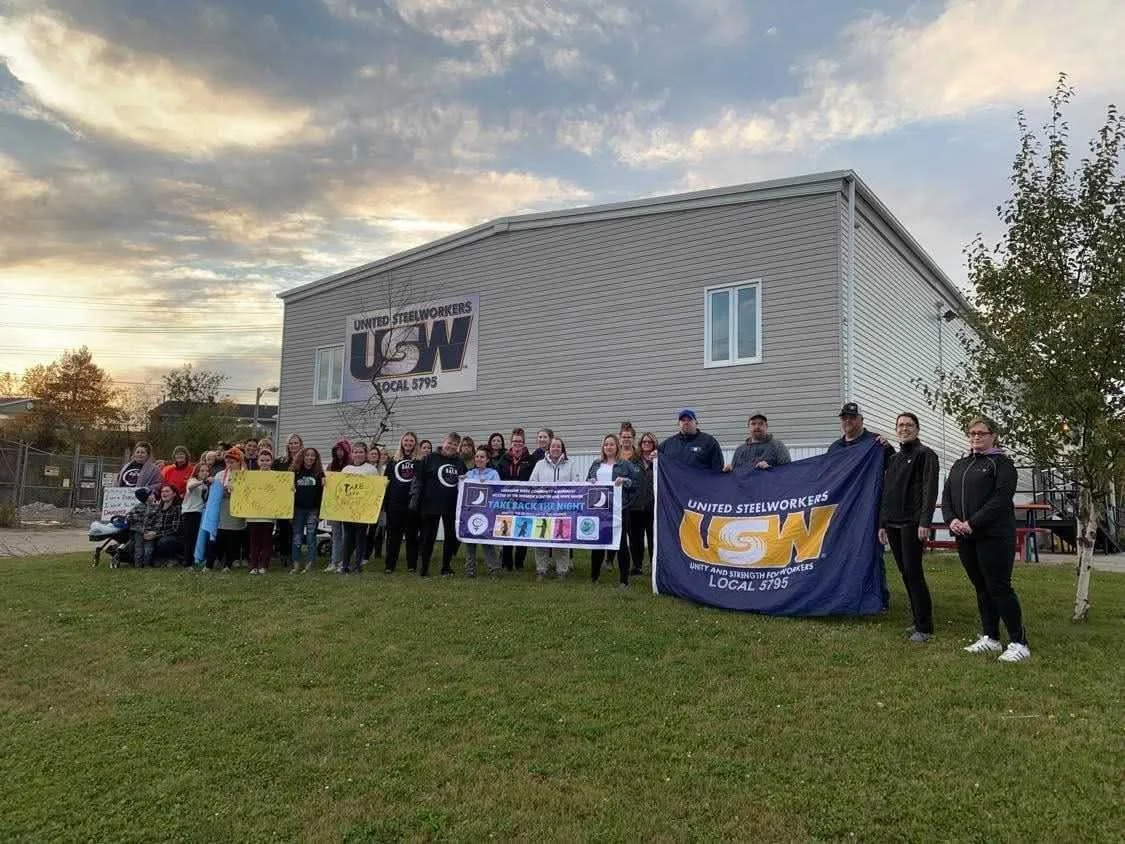
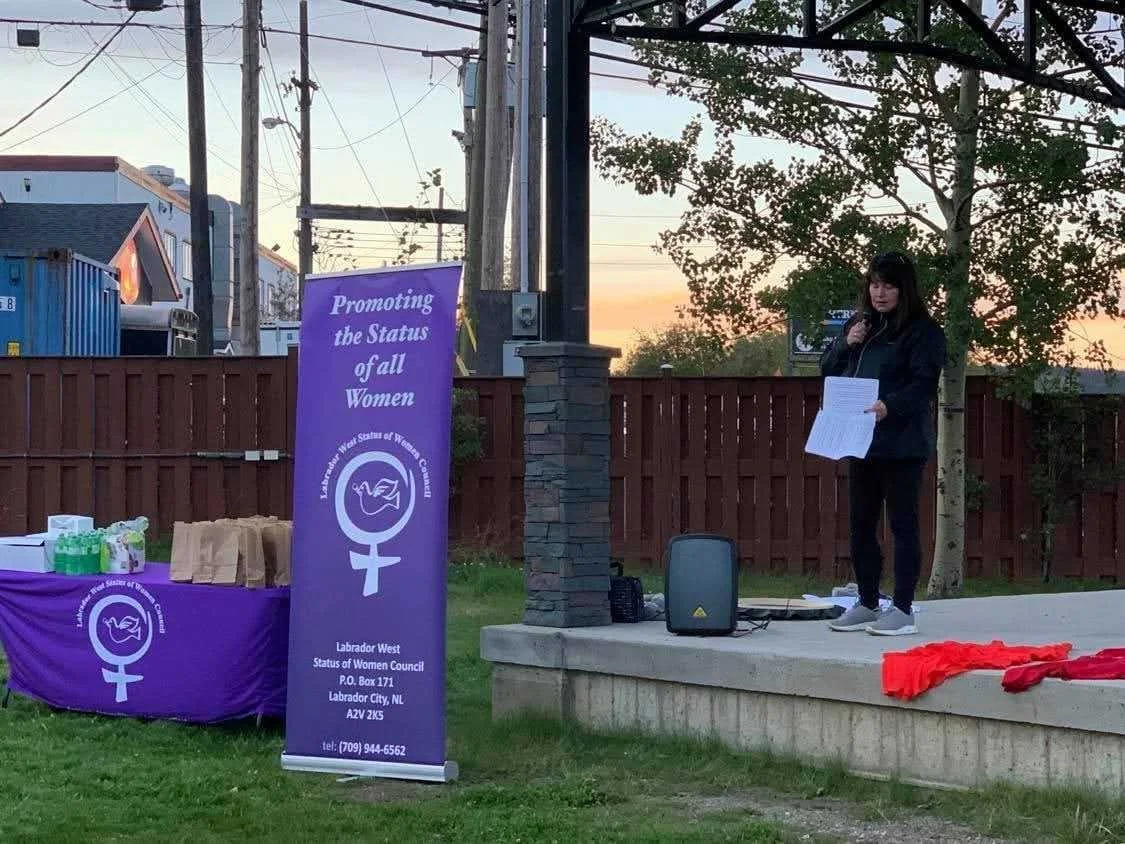
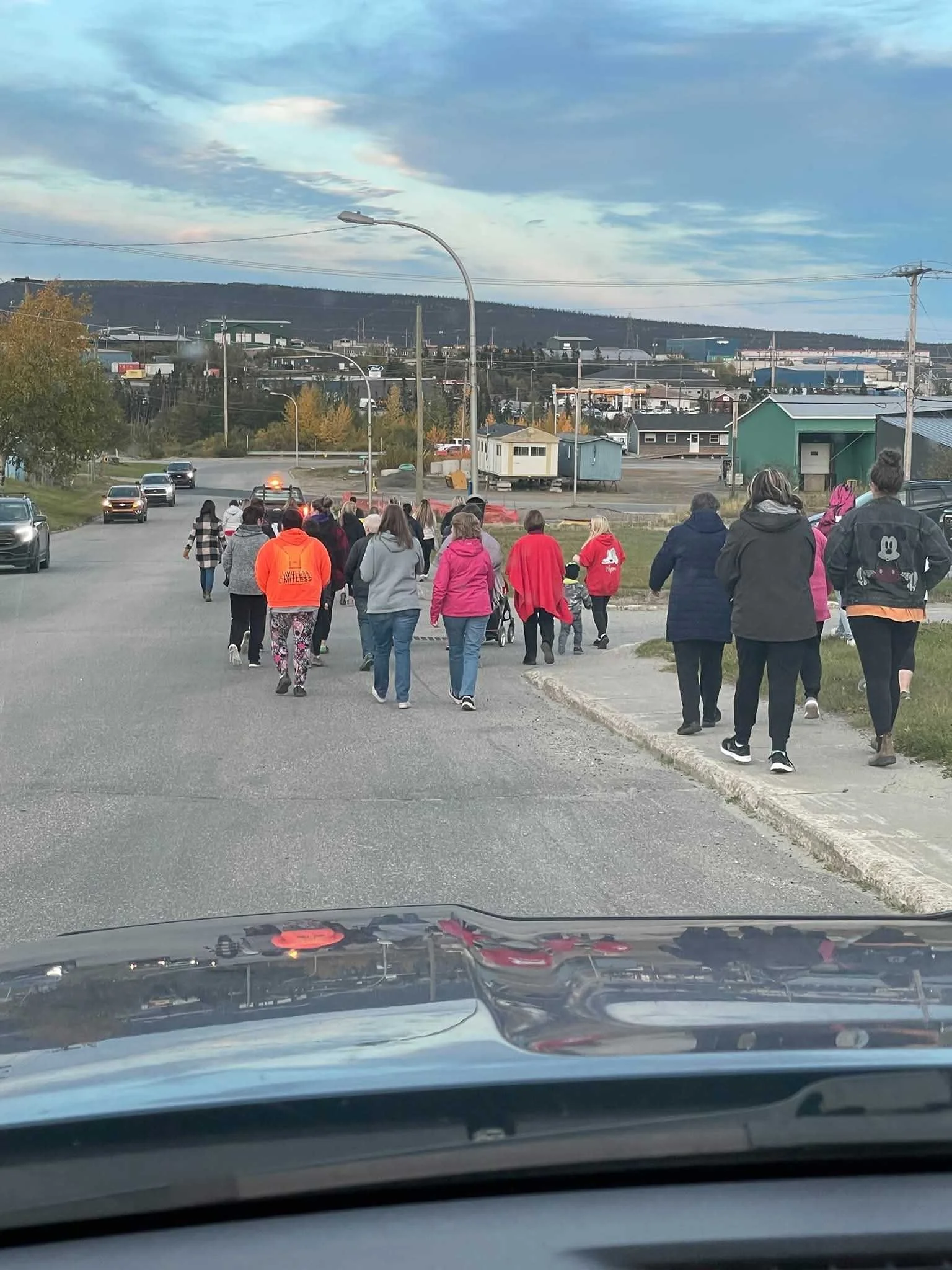
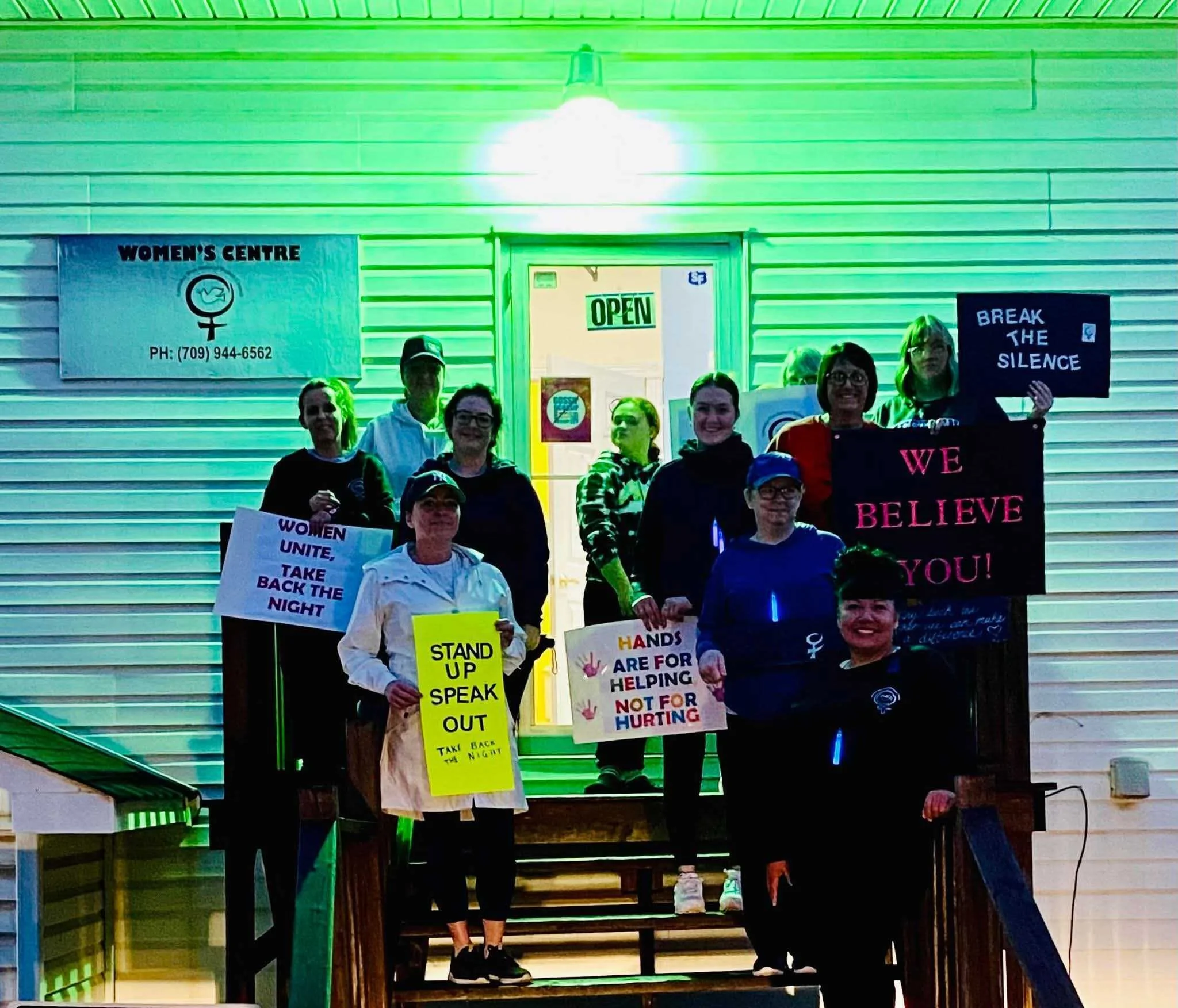
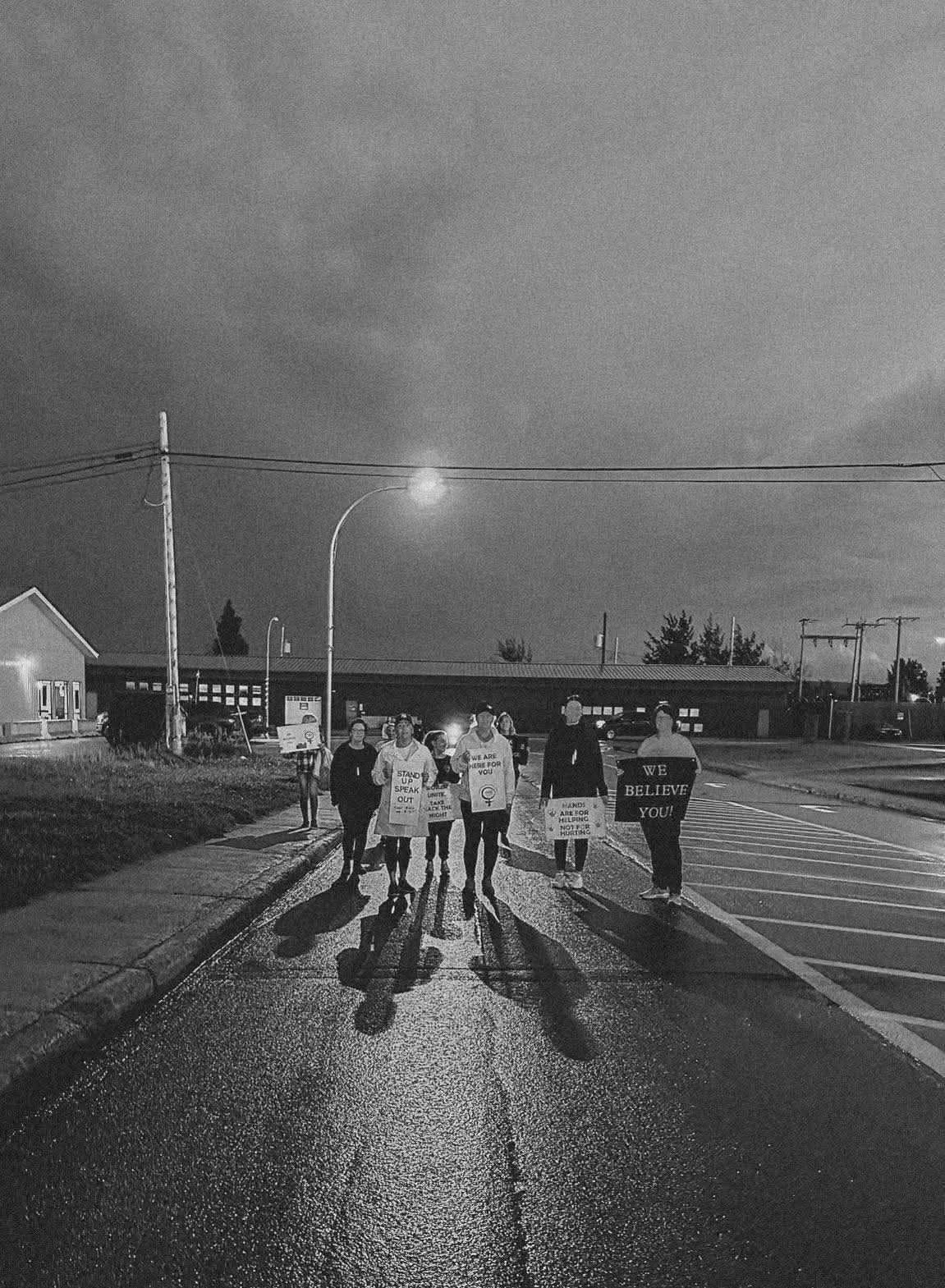
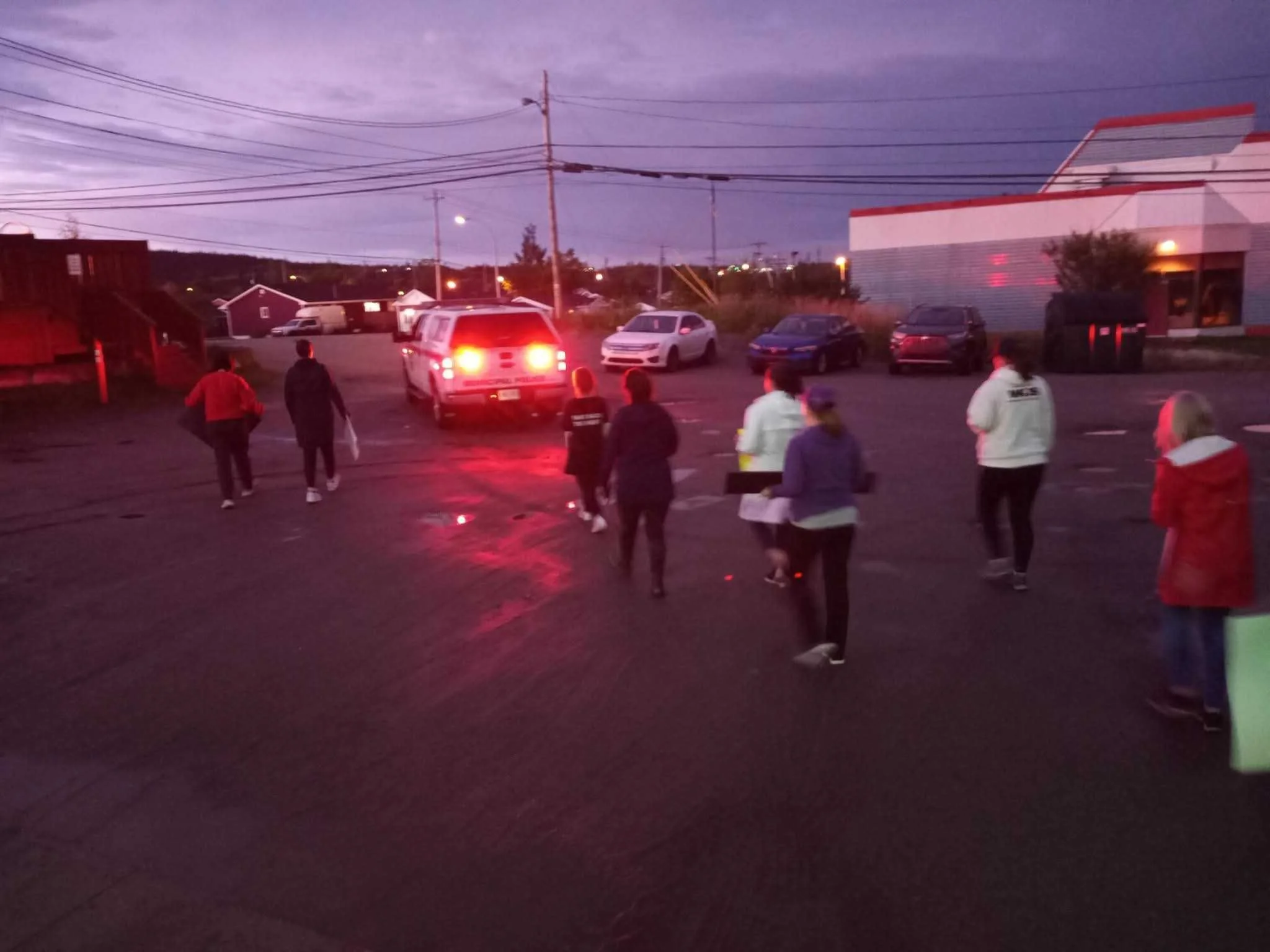
Take Back the Night has long been an important part of the work of the Labrador West Status of Women Council. Each year, it gives our community an opportunity to come together, raise our voices, remember those who have experienced violence, and reaffirm our commitment to creating safer communities.
Our work is rooted in supporting women and gender-diverse people across the many areas of life that can impact gender-based violence. We know that safety is not one-size-fits-all, and that sometimes people need support before they even know what kind of support they need.
That’s why we strive to create a place where people can come as they are. A place where you don't need to have the right words, know exactly what you need, or have a plan.
Sometimes support looks like connecting someone with resources or helping them navigate a difficult situation. And sometimes it simply looks like sitting in silence and having a cup of tea.
A Call to Action
Take Back the Night is more than a march. It is more than one evening, one event, or one conversation.
It is an invitation to all of us to think about the role we play in creating safer communities.
We can challenge the comments that normalize violence. We can speak up when we see harassment or disrespect. We can listen to survivors and believe them. We can teach our children about consent, respect, and healthy relationships. We can support the people in our lives who may be experiencing violence, and we can work together to build communities where people have access to the housing, resources, supports, and opportunities they need to feel safe.
Creating a culture where violence is not normalized, ignored, or excused takes all of us.
Take Back the Night 2026 - September 14 at 7PM. Labrador West Status of Women Community Center.
